
田径女神走红China proceeds legislation against cross-border corruption, closing legal gap in overseas probe, fugitive hunt and asset recovery: expert_我的网站
一 | 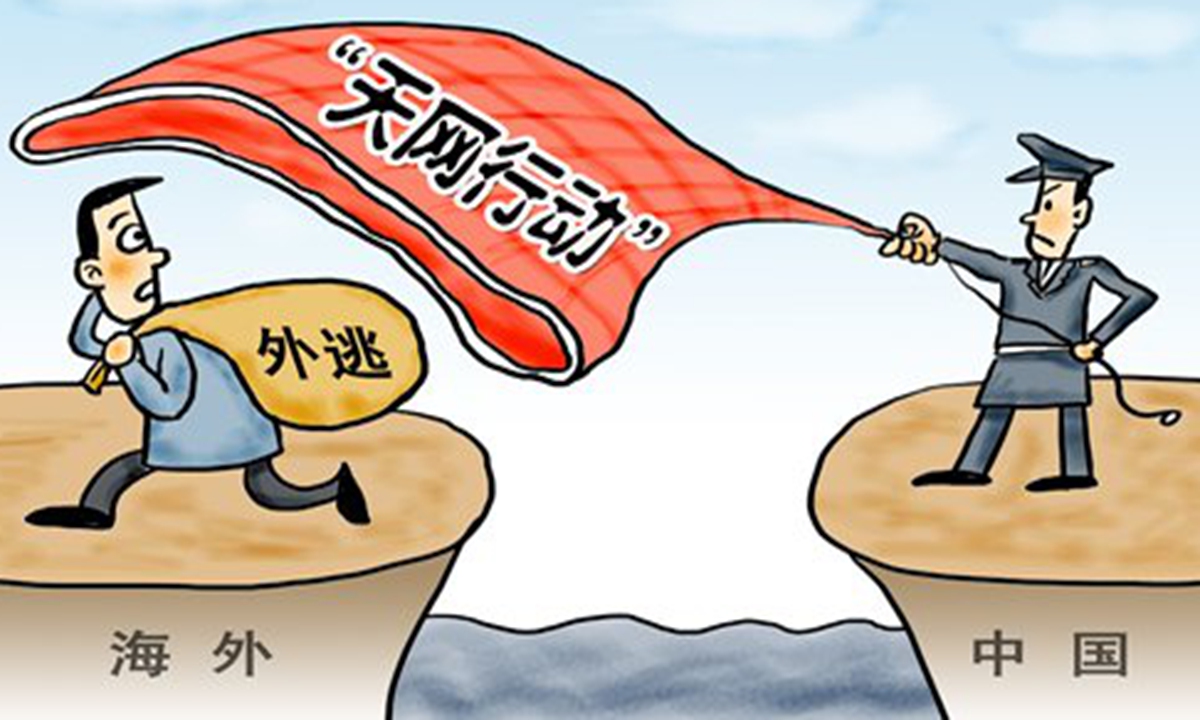 Chinese lawmakers began reviewing a draft law on combating cross-border corruption on Tuesday, a legislation which experts believe would help close legal gaps in investigating overseas corruption, pursuing fugitives and recovering illicit assets, while strengthening international cooperation and corporate compliance. The draft was submitted for its first reading to the ongoing session of the Standing Committee of the National People's Congress, the country's top legislature, per Xinhua News Agency. Huo Zhengxin, a professor at the China University of Political Science and Law, told the Global Times that the draft law represents a dedicated piece of legislation within China's anti-corruption legal framework and a major step forward in the country's law-based governance of foreign-related affairs. It will fill a legislative gap in combating cross-border corruption, Huo said. As Chinese companies expand business overseas, cross-border corruption cases face challenges in obtaining evidence abroad, pursuing fugitives and recovering illicit assets. Existing anti-corruption laws have faced limitations in addressing such cases involving foreign affairs, making such dedicated legislation necessary, Huo said. Structured into six chapters and 47 articles, the draft sets out the principles, scope and key provisions underpinning China's efforts to combat cross-border corruption. It also defines relevant operational mechanisms and institutional responsibilities, and seeks to strengthen case handling and international cooperation. The draft further clarifies enterprises' obligations regarding integrity and compliance, and specifies legal liabilities for violations. As one of the experts involved in drafting the legislation, Huo said a key innovation of the draft is to strengthen international cooperation and corporate integrity and compliance obligations. As evidence, suspects and illicit assets in cross-border corruption cases are often located overseas, the draft provides mechanisms including extradition, mutual legal assistance and repatriation, while aligning with relevant rules under the UN Convention against Corruption (UNCAC), said the expert. The draft also makes clear that Chinese companies operating overseas, including both state-owned and private enterprises, have legal obligations to uphold integrity and compliance with domestic laws, Huo said. The legislation would also codify practices accumulated through China's past campaigns against cross-border corruption, such as Sky Net and Fox Hunt operations, turning them into a more systematic legal framework and strengthening the law's deterrent effect, according to Huo. The draft law is a practical step to regulate the development of cross-border businesses and help build a world-class business environment aligned with market principles, the rule of law and international standards, Xinhua noted. It is also expected to expand the legal tools available to combat cross-border corruption and help address challenges in detecting corruption, collecting evidence, recovering illicit assets and securing convictions, according to the report. In January, CCTV News reported on the case of a former senior executive of China National Offshore Oil Corporation, who was accused of accepting large amounts of bribes that were concealed overseas, with a businessman allegedly acting as a "front" to collect the illicit payments. The draft's explicit corporate integrity and compliance requirements would make it harder for individuals to disguise bribery and other corrupt practices through overseas projects in an attempt to circumvent domestic oversight, while further clarifying the extraterritorial reach of China's anti-corruption laws, Huo said. The draft also contains provisions to counter the use of foreign countries' domestic anti-corruption laws to exercise "long-arm jurisdiction" over Chinese companies, which Huo described as another important innovation in China's foreign-related legal framework. China has been deepening its efforts in international anti-corruption cooperation, with 963 corrupt fugitives repatriated to the country in 2025, according to a work report from the country's top anti-graft body, Xinhua reported. 。 当周启豪在WTT欧洲大满贯男单1/8决赛中2比3不敌松岛辉空,瑞典马尔默的这站欧洲大满贯上,国乒男单宣告无人挺进八强,而男女双则已经在前一天止步八强。 。
二 | 即便女单仍有5名球员闯入八强,林诗栋/蒯曼又一次拿到了混双冠军,全力维系着国乒的体面,但国乒的成绩单,已然“偏科”。中国乒乓球过去最让对手艳羡的集团优势,正在发生什么样的变化?周启豪不敌松岛辉空无缘八强。今年美国大满贯,中国男单选手集体止步16强——王楚钦1比3输给丹麦选手安德斯·林,林诗栋则0比3负于法国的艾利克斯·勒布伦。
三 | 到了横滨冠军赛,中国男单同样没有进入八强。周启豪在16强赛以1比3输给日本选手松岛辉空,后者最终一路打进四强。来到瑞典的欧洲大满贯,林诗栋又遇到了艾利克斯·勒布伦。这一次两人打满五局,林诗栋连续两站大满贯面对同一个对手,都没能过关闯入八强。周启豪随后的输球,则令国乒男单不得不接受全军覆没,连续三站WTT高级别赛事无缘八强的苦果。一个不得不面对的现实是,中国男单已很难像过去那样,始终能在大赛后半程保持集团优势。在国乒男单面前,对手也在变得越来越多、越来越强。林诗栋负于艾利克斯·勒布伦止步16强。安德斯·林、勒布伦兄弟、松岛辉空,以及正在冒头的篠塚大登……他们来自不同国家,也有不同的打法。
四 | 过去,中国男乒面对的往往是一个具体的挑战者。现在,挑战者正在变成一群人。这种变化似乎还蔓延到了双打。欧洲大满贯男双1/4决赛,林诗栋/温瑞博对阵勒布伦兄弟,法国组合最终淘汰了来自中国的头号种子。女双同样止步八强。王曼昱/蒯曼此前在WTT系列赛中保持了长时间的不败纪录,这一次却被中国香港组合杜凯琹/吴咏琳击败。WTT官方赛后特别提到,这是王曼昱/蒯曼在WTT系列赛女双赛场两年来仅有的第二场失利。此外,王艺迪/陈熠则被日本组合张本美和/早田希娜击败。
五 | 这几场输球提醒人们:双打项目的竞争,同样开始让国乒感到棘手。王曼昱/蒯曼未能晋级女双四强。过去,国乒拥有足够深厚的单打人才阵容,单打优势很容易转化成双打优势。但如今,外协会也在形成越来越成熟的组合,曾经的单打领先优势,不再意味着双打项目还能高枕无忧。
六 | 勒布伦兄弟就是一个很典型的例子——他们从单打赛场上的挑战者,已然变成了双打赛场上的有力竞争者。目前,女单依然是国乒最稳定的项目之一,欧洲大满贯进入后半程的中国选手数量依旧可观。混双则依然保持优势,林诗栋/蒯曼最终再次夺冠,实现卫冕。中国乒乓球的优势仍在,但追赶者正在迎头而上,竞争者变得越来越多,冠军争夺也开始出现越来越多的“变量”。
七 | 林诗栋/蒯曼摘得混双冠军。过去国乒最可怕的地方,并不只是某一个人的实力,而是多个项目上的集体统治力——你赢了一个中国选手,还有下一个;你解决了一对双打组合,还有另一对。但这种集团优势,已经没有过去那么理所当然。法国有勒布伦兄弟,日本有张本智和、松岛辉空、篠塚大登,欧洲还有安德斯·林、莫雷加德等一批年轻或进入成熟期的选手。他们未必能彻底颠覆世界乒坛的格局,但却在改变一个很重要的事实:击败中国队,越来越不再是一件只能偶然发生的事情。当越来越多的对手开始找到战胜国乒的方法,中国队过去依靠人员深度和稳定性建立起来的优势,还能不能继续保持?问题已经摆在了桌面上,等待着解答。 Current article:http://umc1z.gaxuexiazengpian.pics/list_q03/a5anf6.html Published on:16:55:27 |


